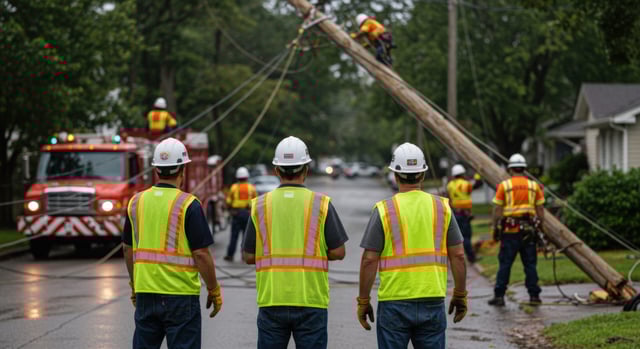
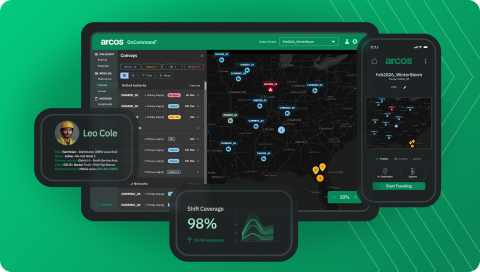



In September 2017, Hurricane Irma ravaged the Florida Keys. This single catastrophic event caused an estimated $50 billion dollars in damage as utilities responded to the nearly 6 million people were without power. The labor used and the cost of repairs was astronomical. Even a year later, utilities were still working to track crew data for cost-recovery reports tied to the restoration. Although a massive storm like Irma is a great example of just how hard it can be to keep up to date with tracking and costs, plenty of other smaller damaging events often leave utilities pressed to come up with the documentation needed for FEMA reimbursements. It’s a challenge for all utilities, however; some fail to realize that there is a simple, long-term solution for these short-term events. Looking to technology for storm cost recovery data and reporting can help to quickly validate the info you need to prepare a cost-analysis report. Without an automated damage assessment equipment for data collection, a utility can take up to 6 months or more to compile data for reporting. But when dealing with major outages caused by natural disasters, some utilities are still manually recording and tracking their crews. Having one source of truth for historical data capture can help with:
- Records showing how many meals both internal and external crew members ate per day
- Data tied to hotels internal and external crew members stayed in, their vehicles, and their work orders – including descriptions of damage assessments and their GPS coordinates
- Data collection at the point of repair, including GPS coordinates
- Steps taken by managers before during, and after the restoration
- Eliminating the need to bring on consultants who specialize in cost recovery submissions