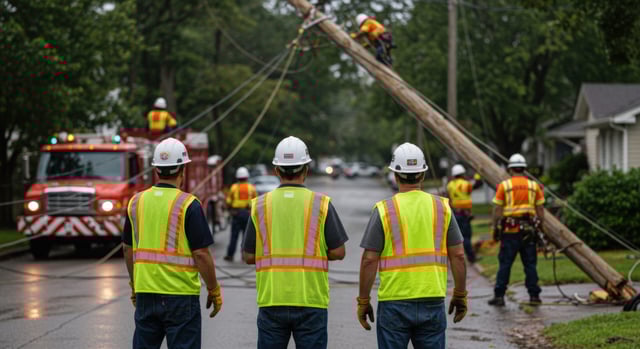


As we ease into summer, the National Oceanic and Atmospheric Administration predicts another above-average Atlantic hurricane season. Although the 2022 storm season has officially just begun, utilities have been prepping for likely upcoming critical events like these storms for weeks. And as the storms roll in, so will the media coverage. News reporters love covering extreme weather events and emergencies. They are often eager to be right in the middle of one hundred and fifty plus mile per hour winds, while tethered to a tree by only their wits. And like many of the anxious viewers at home they might not have much of a plan if something were to go wrong. While it is not uncommon for many to lack a plan in these emergency situations, we at ARCOS always aim to plan ahead. We know the damage these events can inflict and in many cases, the lives that can be at stake. Planning is not something we take for granted, and we do it while the sun is still shining thanks to the help of past storm data and real-world experience that is readily available.
Incident Command Systems
These emergency situations are what the Incident Command System (ICS) is for. ICS allows a utility or critical infrastructure industry to establish effective incident management techniques, quickly improving emergency operations, response, recovery, and restoration times. ICS can help organizations develop and maintain four key things:- Safety for customers and crews
- A focus on fast, clear decision-making
- A loss of confusion in chaotic circumstances
- An increase in situational awareness
What Is Automated Incident Management?
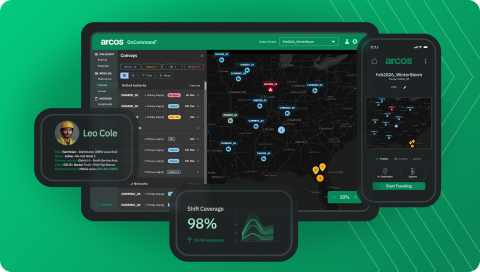
Automated incident management can be described as using automation programs and artificial intelligence to manage one or multiple incidents from beginning to end. The start of the process begins with the creation of a “ticket,” and from that point forward, plans that lead to outcomes and allocation of incident response tools can be put into motion. Increase incident response workflows with ARCOS.The Automated Incident Management Process
Prioritizing What Matters Most
It is important that response teams understand which incidents are of the most importance so that they can be prioritized. With the help of an automated incident management system, tickets are labeled with information that can alert teams as to what is most important, making the management of incidents more effective. Not only do you prioritize incidents, but false-positive notifications can also be minimized. Because of these features, teams are able to:- Filter out and resolve lower priority incidents while easily understanding which ones are a higher priority. With incidents that require immediate action, teams can receive push notifications to make them aware of the situation faster than ever.
- Increase productivity and effectiveness with an immediate response. With the help of mobile notifications, the right team members are alerted as soon as the incident occurs, allowing for enhanced team collaboration as everyone can quickly be brought up to speed on important aspects of the situation.