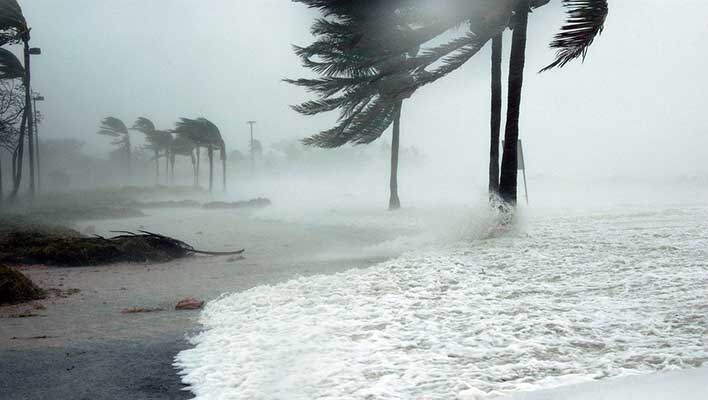


February saw an Arctic outbreak freeze its way across the United States that massive energy disruptions in Texas. It was one of the lowest five-day average temperatures experienced by the lone-star state over the past 40 years. In March, eleven tornados ripped through Alabama – the largest of which was 1.3 miles wide with winds rotating at 150 miles per hour. The extreme weather was linked to thunderstorms that formed in the Indian Ocean a few days earlier and over 10,000 miles away. During June, a wildfire burned down 90% of Lytton, British Columbia. This horrible event was fueled by an extraordinary 121.3-degree heatwave - the highest Canadian national temperature on record. And throughout the month of July, Europe experienced catastrophic flooding that caused 228 deaths and billions of dollars in property damage. England, Germany, Belgium, Italy, Austria, and Romania were affected. The Belgium Minister of Home Affairs described the weather as "one of the greatest natural disasters our country has ever known." The
climate is changing and with it, the weather patterns we’ve come to expect. It’s causing some climate scientists to worry that they may have underestimated how quickly our atmosphere has been altered or maybe misunderstood how warming climates can influence extreme weather events. The only thing certain is that everything is connected and appears to be getting worse.
Damage Assessment
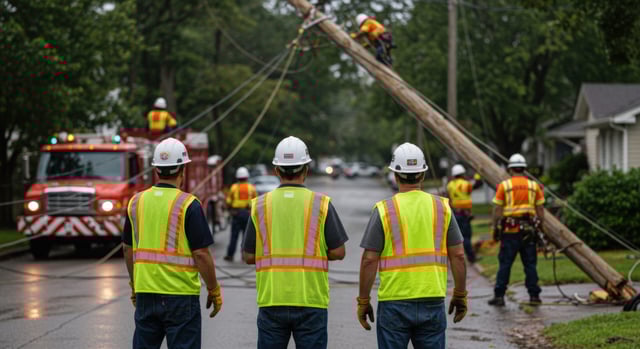
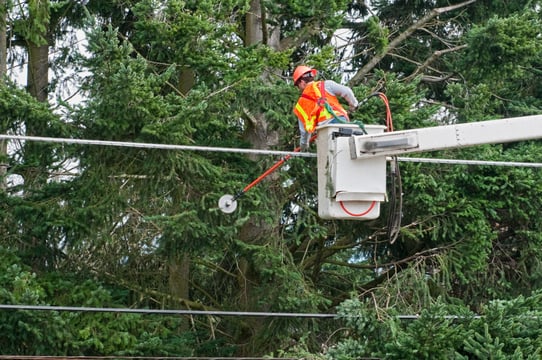
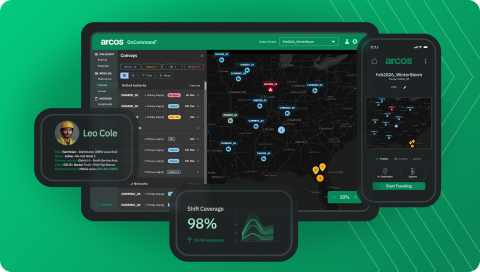
Innovative incident management solutions for tackling the growing emergency response needs brought on by climate change and unusual weather events.